Perfumer Profile: Vanina Muracciole

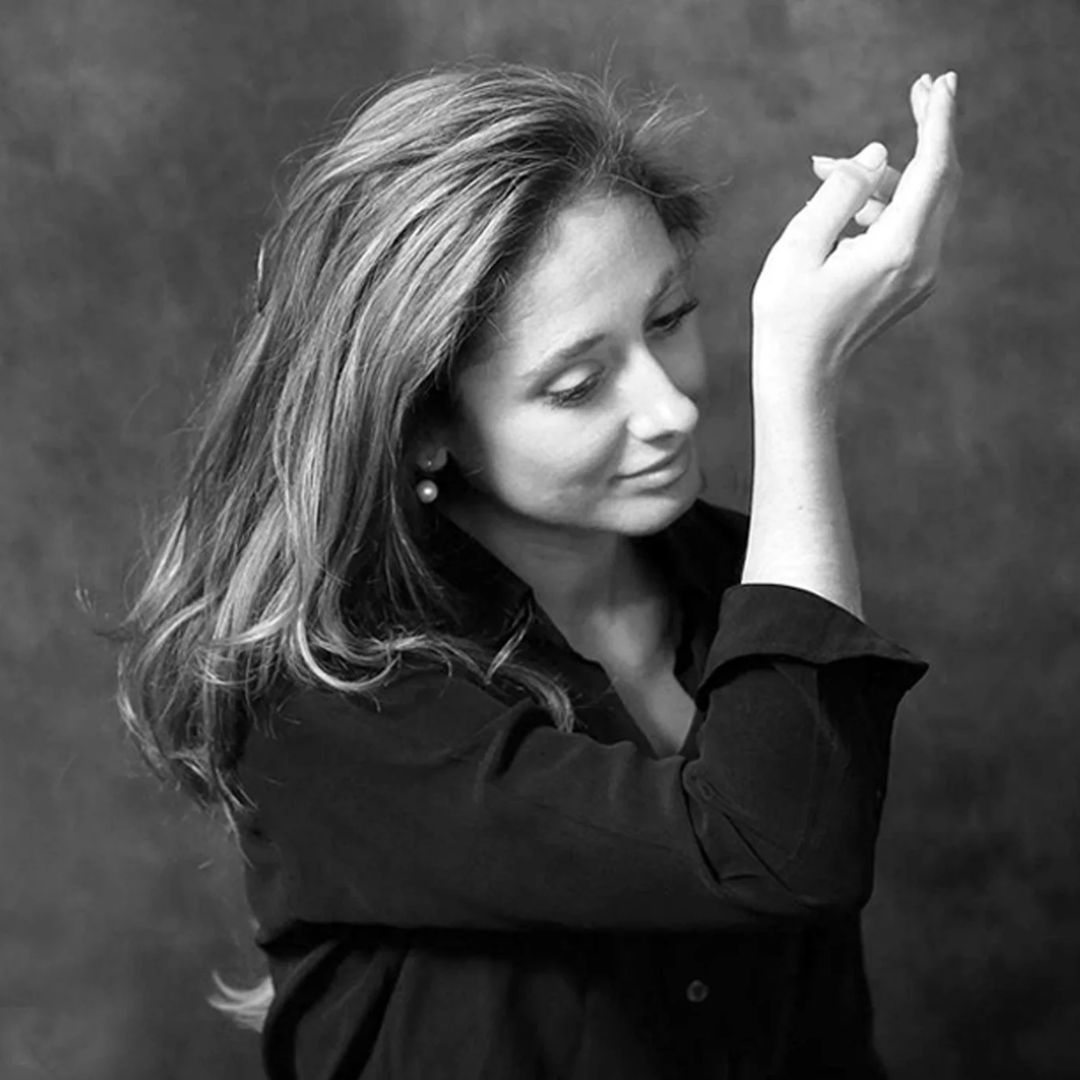
The immensely talented Vanina Muracciole was born of Italian and Corsican heritage, growing up amid the wild tangle of the maquis, with garrigue herbs, heated pines and sunbaked earth steeping themselves into her memory as naturally as breath. From an early age, scent was not some mere fragrant frippery, but a calling: the trail of Hermès Bel Ami, smelled when she was just eight, struck her so powerfully that she decided there and then to become a perfumer, to one day craft perfumes capable of stirring the same profound emotions in others.
You can read her answers to an exclusive interview with The Perfume Society, here. But let’s take a deeper dive into this fascinating nose’s inspirations and working techniques, shall we?
Studying chemistry first, then refining her knowledge at the renowned perfumery school ISIPCA in Versailles, Vanina combined scientific rigour with a deeply intuitive, emotional response to raw materials, a balance that still defines her creations today. From there, her path took her to Milan and then Grasse, working with MANE, where she honed both her technical palette and her sensorial style, expanding her olfactory vocabulary from the scrubland of Corsica to the classicism of French perfumery, and the precise demands of global clients.

Later collaborating with master perfumer Thomas Fontaine at Jean Patou, Vanina immersed herself in the heritage of one of perfumery’s most storied houses, absorbing a sense of structure and elegance that threads through her work. In 2012, she stepped away from the corporate world to become an independent perfumer, a move that opened the doors to niche and confidential houses and gave her the freedom to follow more daring olfactory paths while staying true to her own sensibilities.
Her portfolio since then reads like a who’s who of contemporary artistic perfumery: Jovoy, Jeroboam, Le Galion, Comptoir Sud Pacifique, Fragonard, Lubin and Masque Milano, among others, have all turned to Vanina to distil their stories into scent. Whether creating the leathered elegance of a classical chypre or the gourmand warmth of vanilla and coffee, she listens closely to the narratives brands bring her, translating even the smallest detail of a brief into nuanced accords that feel both modern and timeless.
Perhaps nowhere is her vision more clearly expressed than in her work with François Hénin, founder of Jovoy and the boutiques that helped shape niche perfumery as we know it. Fascinated by musk yet often anosmic to it, François wanted a collection that explored this elusive note from every angle, and turned to Vanina to make the idea tangible. The result was Jeroboam, launched in 2015, a line of extrait de parfums in (originally) compact bottles that belie the power within, each composition an elegant overdose of musks, woods and florals that bloom with remarkable tenacity on skin, like an intimate secret that somehow fills the room.

For Vanina, inspiration begins with life itself – the colours of a place, the energy of a crowd, the taste of pesto pounded in a mortar, the cool damp of autumn undergrowth when picking mushrooms, the sunburnt aromatic haze of the Corsican maquis. A mood board or visual brief is not just a box to tick, but a vital bridge between image and odour: she thinks in colours when she reads a brief, imagining the fragrance as a chromatic atmosphere long before the first formula is written. Everyday moments become sparks for olfactory worlds, whether that is the neck of a sleeping baby, the salty breeze stepping off a plane into Corsica, or the soft warmth of Ambroxan, one of her most beloved materials, with its woody amber smoothness and whisper of vetiver.
Chypre structures, too, sit at the heart of Vanina’s olfactory soul: bergamot, cistus, lavender, jasmine, patchouli and oakmoss, arranged in endlessly nuanced variations, form for her the architecture of a perfect perfume. She dreams of the great chypres of perfume history – Miss Dior 1947, Scherrer N°1, those original constructions that combined strict structure with audacious character – and seeks to channel that same originality, harmony, vibrancy and intensity into her own compositions.
When she talks about perfumery today, Vanina is clear eyed, nostalgic yet optimistic. The 1980s and 90s, she feels, were a golden age of creativity, when launches such as Anaïs Anaïs, Giorgio, Paris, Samsara, Opium, Cool Water, Zino and Kenzo Homme pushed boundaries and expanded consumers’ expectations. That level of avant garde daring may have dimmed for a time, yet she sees niche perfumery as the engine now driving innovation, and hopes that the major mainstream players will once again find the courage to be bold, to take risks not just with marketing but with the juice itself.

In her own day-to-day work, Vanina often juggles around ten projects at once, a testament both to her demand and to the way her mind moves, switching between ideas yet keeping each thread distinct. Creating a fragrance can happen with lightning speed or unfold slowly over months – there is, she insists, no rule – though illness can force her to rely on memory and brain when her nose briefly ‘switches off’. She emphasises the importance of training the sense of smell, of consciously connecting brain and nose with each evaluation, building a personal library of reference by smelling as often as possible, thoughtfully rather than passively.
Among her own creations, she looks back fondly on L’Art de la Guerre for Jovoy as her first fragrance, the start of her independent chapter, yet when asked about her most beautiful creation, she answers without hesitation: her daughters. Their presence is woven through so many of her scented memories – the smell of a baby’s skin, the tenderness of a kiss on a child’s neck – reminding us that for all the chemistry, all the technical language and market strategy, perfumery at its heart remains a profoundly human art.
Through Vanina Muracciole’s work, that humanity is made fragrant, lingering like the most exquisite sillage long after the wearer has left the room…
Written by Suzy Nightingale